
• Link to X
  • Link to Facebook
  • Link to Instagram
  • Link to Rss this site
Indigenous Climate Hub
  • Home
    • About Us
  • Climate Action Programs
    • First Nation Adapt Program
      • Indigenous Climate Change Adaptation Gatherings
    • Indigenous Community-Based Climate Monitoring Program
    • Climate Change and Health Adaptation Program
    • Climate Change Preparedness in the North
    • Environment and Climate Change Canada
  • Funding
  • Resources
    • Climate Change Directory
    • Resource Library
    • Community Adaptation Projects
  • Events
  • Podcast
  • Blog
  • Contact/FAQs
  • Click to open the search input field Click to open the search input field Search
  • Menu Menu

Urban Heat Resilience Planning
Blog

According to “PAS Report 600: Planning for Urban Heat Resilience,” released in April 2022 by the American Planning Association (APA), urban regions need to develop a framework to build resilience against rising temperatures due to climate change. Although the APA report focuses heavily on the United States, the findings can be appreciated within the context of North America. With more than half of all Indigenous people in Canada living in towns and cities with a population of 30,000 and more, the threat of increasing heat is not simply an urban issue, it is an Indigenous issue.

The APA report defines urban heat resilience as the ability of urban systems “to maintain or rapidly return to desired functions and improve quality life in the face of chronic and acute health risks and to quickly transform systems that limit current or future capacity to adapt to extreme heat.” The report lays out an urban heat resilience framework, based on scientific information, with “seven practical considerations” to facilitate planning for, monitoring, and measuring extreme heat events. The framework also calls for developing a “fact base of information on heat risks” and a robust collection of heat mitigation and heat management strategies.

Key components to urban heat resilience planning are heat mitigation strategies and heat management strategies. In the urban context, heat mitigation strategies focus on buildings and infrastructure and reducing the heat that they produce. Heat mitigation strategies often fall under the category of “urban greening” such as tree planting, urban forestry, and green storm water structures (e.g., bioswales, permeable pavements, etc). Urban heat management strategies enable cities to both prepare for and respond to immediate, recurrent, and long-term heat risks also associated with the built environment (e.g., renewable and reliable energy systems, indoor cooling). Heat management and heat mitigation strategies require the assistance of diverse experts, including planners, engineers, architects, urban designers, and public health professionals, among others.

Building urban heat resilience, and protecting the health of Indigenous peoples due to adverse climate effects require planning ahead, and taking leaps forward to “proactively” coordinate all parties to manage increasing heat. The Government of Canada has developed a list of tools and resources to help public health professionals develop approaches to reduce, the effect of urban heat islands. The First Nations Health Authority has put into place “heat response supports” to mitigate the adverse health effects of extreme heat on BC First Nations and to promote climate health. The Canadian Institute of Planners’ Policy on Climate Change Planning has recommended that planners “[b]e inclusive and respectful of Indigenous peoples, striving to promote understanding, validation, and respect of Indigenous knowledge and cultural practices to ensure decisions and interventions are culturally relevant and appropriate.”

The disastrous impacts of the record-breaking extreme heat of the summer of 2021, in the Western United States and Canada, shed light on the need for collective efforts to ensure that heat risks are managed more effectively. Planning for urban heat resilience requires a collective and culturally informed approach.


By Leela Viswanathan


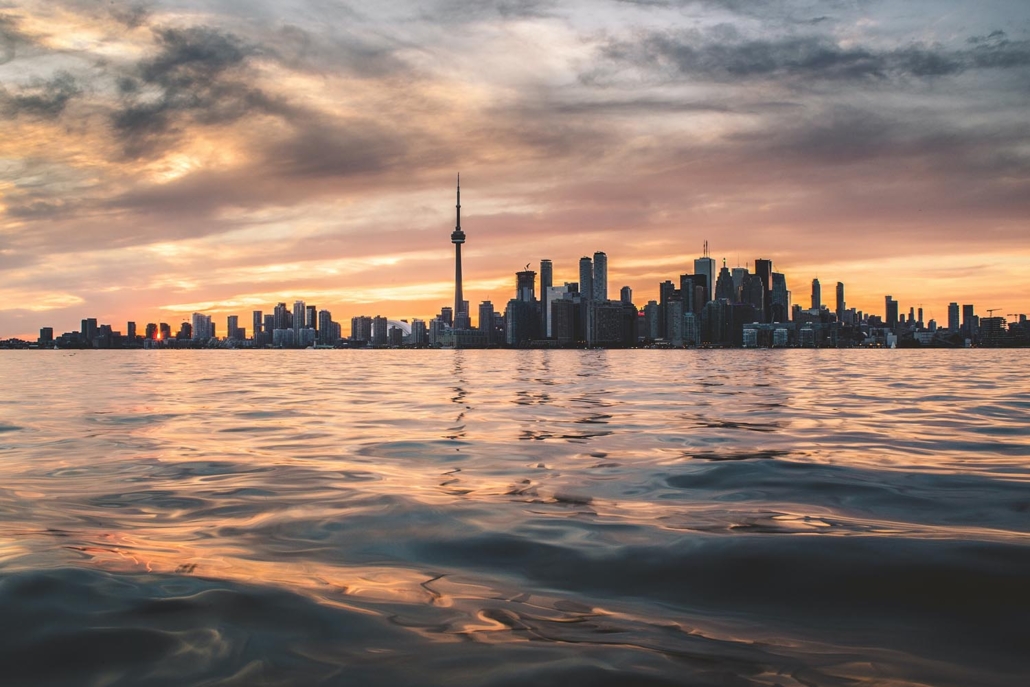
(Image Credit: Berkay Gumustekin, Unsplash)

May 16, 2022/by IndigenousClimateHub
Tags: American Planning Association (APA), Heat Resilience, PAS Report 600: Planning for Urban Heat Resilience, Policy on Climate Change Planning
Share this entry
  • Share on Facebook
  • Share on X
  • Share on WhatsApp
  • Share on Pinterest
  • Share on LinkedIn
  • Share on Tumblr
  • Share on Reddit
  • Share by Mail
https://indigenousclimatehub.ca/wp-content/uploads/2022/05/berkay-gumustekin.jpg 1000 1500 IndigenousClimateHub https://indigenousclimatehub.ca/wp-content/uploads/2020/10/logo-horiz-clr-01-small-300x88.png IndigenousClimateHub2022-05-16 18:23:052022-05-16 18:35:35Urban Heat Resilience Planning
X Logo X Logo Followon X RSS Feed Logo RSS Feed Logo Subscribeto RSS Feed

Subscribe to Our Blog

This field is required.

Check your inbox or spam folder to confirm your subscription.

Recent Posts

  • Water Is a Relative, Not a Resource
  • The River Is Telling Us Something: Indigenous-Led Water Monitoring as Canada’s Climate Early Warning System
  • Night Skies and Shifting Stars: How Indigenous Celestial Knowledge Tracks a Changing Climate
  • From Ownership to Relationship: Reclaiming Our Responsibilities to Land
  • Human Foolishness in Floodplains

Archives

  • June 2026
  • May 2026
  • April 2026
  • March 2026
  • February 2026
  • January 2026
  • December 2025
  • November 2025
  • October 2025
  • September 2025
  • August 2025
  • July 2025
  • June 2025
  • May 2025
  • April 2025
  • March 2025
  • February 2025
  • January 2025
  • December 2024
  • November 2024
  • October 2024
  • September 2024
  • August 2024
  • July 2024
  • June 2024
  • May 2024
  • April 2024
  • March 2024
  • February 2024
  • January 2024
  • December 2023
  • November 2023
  • October 2023
  • September 2023
  • August 2023
  • July 2023
  • June 2023
  • May 2023
  • April 2023
  • March 2023
  • February 2023
  • January 2023
  • December 2022
  • November 2022
  • October 2022
  • September 2022
  • August 2022
  • July 2022
  • June 2022
  • May 2022
  • April 2022
  • March 2022
  • February 2022
  • January 2022
  • December 2021
  • November 2021
  • October 2021
  • September 2021
  • August 2021
  • July 2021
  • June 2021
  • May 2021
  • April 2021
  • March 2021
  • February 2021
  • January 2021
  • December 2020
  • November 2020
  • October 2020
  • September 2020
  • August 2020
  • July 2020
  • June 2020
  • February 2020
  • October 2019
  • August 2019
  • July 2019
  • June 2019
  • May 2019
  • April 2019
  • March 2019

Categories

  • Adaptation
  • Alberta
  • Announcements
  • Arctic
  • Atlantic/NB
  • Awards
  • Blog
  • British Columbia
  • Climate Change
  • Climate Change Adaptation
  • Climate Change Education
  • Climate Change News
  • Climate Change Project
  • Climate Crisis
  • Climate Monitoring
  • Community Engagement
  • Community-Based Environmental Monitoring
  • Documentaries
  • Documentary
  • Events
  • Flooding
  • Food
  • Food Security
  • Food Sovereignty
  • Forest Fires
  • Funding Opportunity
  • ICCAG 2019
  • Indigenous Perspectives
  • Manitoba
  • Media
  • Métis
  • Métis Settlement
  • News
  • Op-Ed
  • Quebec
  • Saskatchewan
  • Technology
  • Video
  • Water
  • Webinars

Tags

Alberta Arctic Arctic Resilience Forum British Columbia Carbon Sequestration Caribou Caribou Recovery CIRNAC Climate Adaptation Climate Change Climate Change Adaptation Climate Resilience Community Engagement Education Environmental Stewardship Environment and Climate Change Canada (ECCC) First Nations Flooding Food Security Food Sovereignty Global Warming Indigenous Indigenous Guardians Toolkit Indigenous Knowledge Indigenous Stewardship Infrastructure Inuit landscape Mental Health Paris Agreement Policy Renewable Energy Research Resilience Science Traditional Ecological Knowledge Traditional Ecological Knowledge (TEK) Traditional Knowledge UNDRIP United Nations United Nations (UN) Webinar Wildfires WWF-Canada Youth
Contact

About Us

The Indigenous Climate Hub is a unique online community of Indigenous climate change leaders that have come together to share their stories and climate change adaptation experiences. The website is the result of the recommendations brought forward by Indigenous peoples at the Indigenous Climate Change Adaptation Gathering in 2018.

Indigenous Climate Hub Podcast

Be a part of the Indigenous Climate Hub Podcast. We are looking for unique perspectives and experiences in environmental stewardship, Indigenous ecological and traditional knowledge, and resource management offer valuable knowledge and teachings that can benefit Indigenous communities across Turtle Island and beyond.

Indigenous-led Initiatives

Are you a program or organization that funds or supports Indigenous Peoples  working on climate change initiatives?  If you would like to provide information to potential recipients here, please reach out to Okwaho so that we can work with you to highlight your program.

© Copyright - Indigenous Climate Hub, 2025-2026
  • Terms of Service
  • Privacy Policy
Link to: Preventing Climate Maladaptation Link to: Preventing Climate Maladaptation Preventing Climate Maladaptation Link to: Climate Change Impacts on Monarch Butterfly Migration and Survival Link to: Climate Change Impacts on Monarch Butterfly Migration and Survival Monarch butterflyClimate Change Impacts on Monarch Butterfly Migration and Survival
Scroll to top Scroll to top Scroll to top