
• Link to X
  • Link to Facebook
  • Link to Instagram
  • Link to Rss this site
Indigenous Climate Hub
  • Home
    • About Us
  • Climate Action Programs
    • First Nation Adapt Program
      • Indigenous Climate Change Adaptation Gatherings
    • Indigenous Community-Based Climate Monitoring Program
    • Climate Change and Health Adaptation Program
    • Climate Change Preparedness in the North
    • Environment and Climate Change Canada
  • Funding
  • Resources
    • Climate Change Directory
    • Resource Library
    • Community Adaptation Projects
  • Events
  • Podcast
  • Blog
  • Contact/FAQs
  • Click to open the search input field Click to open the search input field Search
  • Menu Menu

Learning to Embrace the Cycle of Seasonal Changes
Blog, Indigenous Perspectives, Métis, Op-Ed

Experiencing four distinct seasons is a powerful way to tell time. Each season brings with it an element of life and death and teaches us to embrace change.  Many of us think of the seasons in terms of what we wear or how the weather affects our commute; however, how many of us stop to think about how the seasons affect our diet and medicines?

Increasingly, we buy our medicines and our food from grocery stores. When we walk into a store and find all that we need, it becomes difficult to notice the true impact of the seasons on what we eat and how we feel. As science progresses, technology continues to fuel the advancement of hybrid seeds resistant to Mother Nature’s woes. Technology supports farming machinery to achieve greater yields of large-scale crops, ensuring the things we enjoy consuming are constantly available on store shelves.  The convenience of shopping disconnects us from the spirit of our food, and ultimately distracts us from the stories that Mother Nature is telling us, especially through her gifts of the changing seasons.

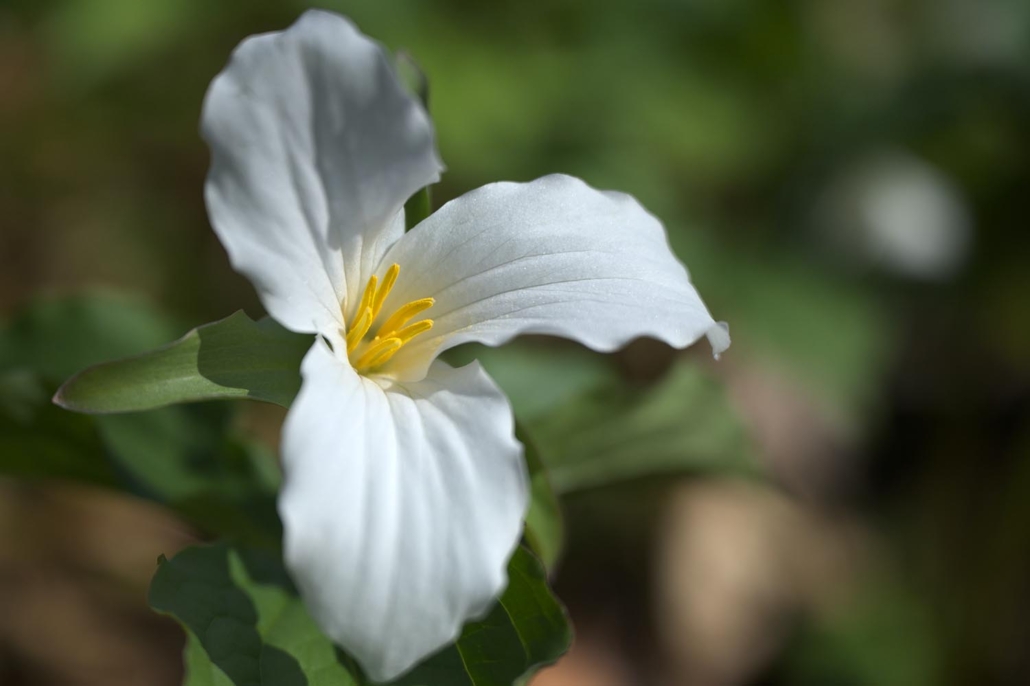
When does winter truly end? How long is spring, really? What if we let go of the idea that the answers to these questions come from a calendar, and instead, turn our collective gaze toward nature? Consider that winter ends when the Red Squirrel awakens and begins to nibble Maple Tree’s stems, signalling the maple sap to begin to flow. Spring arrives when coltsfoot pops out its mysterious yellow flower before its signature leaves arrive. Trilliums and trout lilies tell us how long we have until spring disappears. And as soon as it gets too warm, we learn that summer has arrived. Raspberries emerge telling us summer is ending and it is time to load up on fat stores with Wintergreen signalling our last chance at berries before the deep snow arrives. All these plants are also gifts of Mother Nature and were once received as wild foods and wild medicines, by human beings.

When one remembers what to eat, in what season, and by what is available in nature, then one also begins to see the changes in what Mother Nature can offer as weather patterns shift. To truly understand the weather and the climate, one must return to nature. When one grows a garden and watches peas whither in the early spring heat, or the squash shrivel due to drought, or apple blossoms bloom too early, only to be killed by frost; when one mourns another season without fruit, one can no longer remove oneself from Mother Nature’s narrative.

As someone who gardens and forages, I feel a deep connection to the seasons and all their changes. I may not fully understand the magnitude of the impact of the seasons, but I feel the struggles of Mother Nature; she reminds me of my connection to her well-being. For me, the way I understand how I can be of service to healing the Earth means to first to live with and through Mother Nature’s cycles; to experience her cycles with all my senses; and to accept that to re-learn her ways, I must get away from the fluorescent lights and the straight, cropped garden rows, and bear witness to the messages found throughout the forest landscape.

I invite you to choose to get familiar with food and medicines that are in season and to embrace the cycle of seasonal changes. Then, and only then, can we truly remember how to love Mother Nature and steward the land in ways that can help us heal the planet and humanity.
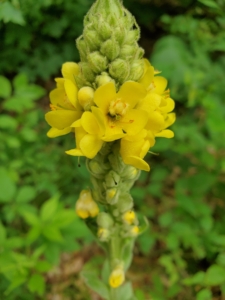
Edible wild evening primrose


By Tawny Stowe


Photo Credits:

Edible wild evening primrose photo: Tawny Stowe

Header Photo: Karl Heinz Muller, Unsplash
March 24, 2022/by IndigenousClimateHub
Tags: Crops, food, Medicines, Metis Knowledge, Seasonal Changes, Seasons, Seeds
Share this entry
  • Share on Facebook
  • Share on X
  • Share on WhatsApp
  • Share on Pinterest
  • Share on LinkedIn
  • Share on Tumblr
  • Share on Reddit
  • Share by Mail
https://indigenousclimatehub.ca/wp-content/uploads/2022/03/flower-karl-heinz-muller-unsplash.jpg 999 1500 IndigenousClimateHub https://indigenousclimatehub.ca/wp-content/uploads/2020/10/logo-horiz-clr-01-small-300x88.png IndigenousClimateHub2022-03-24 17:59:232022-03-24 18:40:43Learning to Embrace the Cycle of Seasonal Changes
You might also like
Bonnie Kittle (Unsplash) Gardens and Climate Change – How Growing a Resilient Garden Helps Fight Global Warming
X Logo X Logo Followon X RSS Feed Logo RSS Feed Logo Subscribeto RSS Feed

Subscribe to Our Blog

This field is required.

Check your inbox or spam folder to confirm your subscription.

Recent Posts

  • Water Is a Relative, Not a Resource
  • The River Is Telling Us Something: Indigenous-Led Water Monitoring as Canada’s Climate Early Warning System
  • Night Skies and Shifting Stars: How Indigenous Celestial Knowledge Tracks a Changing Climate
  • From Ownership to Relationship: Reclaiming Our Responsibilities to Land
  • Human Foolishness in Floodplains

Archives

  • June 2026
  • May 2026
  • April 2026
  • March 2026
  • February 2026
  • January 2026
  • December 2025
  • November 2025
  • October 2025
  • September 2025
  • August 2025
  • July 2025
  • June 2025
  • May 2025
  • April 2025
  • March 2025
  • February 2025
  • January 2025
  • December 2024
  • November 2024
  • October 2024
  • September 2024
  • August 2024
  • July 2024
  • June 2024
  • May 2024
  • April 2024
  • March 2024
  • February 2024
  • January 2024
  • December 2023
  • November 2023
  • October 2023
  • September 2023
  • August 2023
  • July 2023
  • June 2023
  • May 2023
  • April 2023
  • March 2023
  • February 2023
  • January 2023
  • December 2022
  • November 2022
  • October 2022
  • September 2022
  • August 2022
  • July 2022
  • June 2022
  • May 2022
  • April 2022
  • March 2022
  • February 2022
  • January 2022
  • December 2021
  • November 2021
  • October 2021
  • September 2021
  • August 2021
  • July 2021
  • June 2021
  • May 2021
  • April 2021
  • March 2021
  • February 2021
  • January 2021
  • December 2020
  • November 2020
  • October 2020
  • September 2020
  • August 2020
  • July 2020
  • June 2020
  • February 2020
  • October 2019
  • August 2019
  • July 2019
  • June 2019
  • May 2019
  • April 2019
  • March 2019

Categories

  • Adaptation
  • Alberta
  • Announcements
  • Arctic
  • Atlantic/NB
  • Awards
  • Blog
  • British Columbia
  • Climate Change
  • Climate Change Adaptation
  • Climate Change Education
  • Climate Change News
  • Climate Change Project
  • Climate Crisis
  • Climate Monitoring
  • Community Engagement
  • Community-Based Environmental Monitoring
  • Documentaries
  • Documentary
  • Events
  • Flooding
  • Food
  • Food Security
  • Food Sovereignty
  • Forest Fires
  • Funding Opportunity
  • ICCAG 2019
  • Indigenous Perspectives
  • Manitoba
  • Media
  • Métis
  • Métis Settlement
  • News
  • Op-Ed
  • Quebec
  • Saskatchewan
  • Technology
  • Video
  • Water
  • Webinars

Tags

Alberta Arctic Arctic Resilience Forum British Columbia Carbon Sequestration Caribou Caribou Recovery CIRNAC Climate Adaptation Climate Change Climate Change Adaptation Climate Resilience Community Engagement Education Environmental Stewardship Environment and Climate Change Canada (ECCC) First Nations Flooding Food Security Food Sovereignty Global Warming Indigenous Indigenous Guardians Toolkit Indigenous Knowledge Indigenous Stewardship Infrastructure Inuit landscape Mental Health Paris Agreement Policy Renewable Energy Research Resilience Science Traditional Ecological Knowledge Traditional Ecological Knowledge (TEK) Traditional Knowledge UNDRIP United Nations United Nations (UN) Webinar Wildfires WWF-Canada Youth
Contact

About Us

The Indigenous Climate Hub is a unique online community of Indigenous climate change leaders that have come together to share their stories and climate change adaptation experiences. The website is the result of the recommendations brought forward by Indigenous peoples at the Indigenous Climate Change Adaptation Gathering in 2018.

Indigenous Climate Hub Podcast

Be a part of the Indigenous Climate Hub Podcast. We are looking for unique perspectives and experiences in environmental stewardship, Indigenous ecological and traditional knowledge, and resource management offer valuable knowledge and teachings that can benefit Indigenous communities across Turtle Island and beyond.

Indigenous-led Initiatives

Are you a program or organization that funds or supports Indigenous Peoples  working on climate change initiatives?  If you would like to provide information to potential recipients here, please reach out to Okwaho so that we can work with you to highlight your program.

© Copyright - Indigenous Climate Hub, 2025-2026
  • Terms of Service
  • Privacy Policy
Link to: The Need for Gender-Responsive Approaches to Climate Adaptation Link to: The Need for Gender-Responsive Approaches to Climate Adaptation The Need for Gender-Responsive Approaches to Climate Adaptation Link to: The Changing Regime of Wildfires Link to: The Changing Regime of Wildfires Wild firesThe Changing Regime of Wildfires
Scroll to top Scroll to top Scroll to top