• Link to X
  • Link to Facebook
  • Link to Instagram
  • Link to Rss this site
Indigenous Climate Hub
  • Home
    • About Us
  • Climate Action Programs
    • First Nation Adapt Program
      • Indigenous Climate Change Adaptation Gatherings
    • Indigenous Community-Based Climate Monitoring Program
    • Climate Change and Health Adaptation Program
    • Climate Change Preparedness in the North
    • Environment and Climate Change Canada
  • Funding
  • Resources
    • Climate Change Directory
    • Resource Library
    • Community Adaptation Projects
  • Events
  • Podcast
  • Blog
  • Contact/FAQs
  • Click to open the search input field Click to open the search input field Search
  • Menu Menu

Cities, Indigenous Knowledge, and Climate Change: Notes from the IPCC Sixth Assessment Report and UNDP Report on Climate-Smart Cities
Blog

The Sixth Assessment Report of the Intergovernmental Panel on Climate Change (IPCC) (herein referred to as 2021 IPCC report), released on August 9, 2021, confirmed that urban growth, urbanization, and cities, intensify “human induced climate change.” In addition, the UNDP report Catalyzing Private Sector Investment in Climate-Smart Cities released in 2020, addressed the importance of catalyzing private investment for projects that enable the development of climate-smart cities. While both reports point to the role of cities in simultaneously accelerating and combatting climate change, they vary on their recognition for Indigenous knowledge in facilitating and expanding solutions for climate adaptation.

Section A.6.5 in the 2021 IPCC report projects that urban expansion will “lead to conversion of cropland” and result in “losses in food production.” It recommends that strategies be put into place that enhance food production in peri-urban regions, better manage urban growth, and facilitate urban green infrastructure. Furthermore, Section C.2.6 of the report notes that, “[c]ities intensify human-induced warming locally, and further urbanization together with more frequent hot extremes will increase the severity of heatwaves … Urbanization also increases mean and heavy precipitation over and/or downwind of cities…”

The 2021 IPCC report makes references to how the combination of Indigenous Knowledge and contemporary scientific research are crucial to understanding and combatting climate change effects. The report further notes that, Indigenous and local knowledge should be considered in situations where no scientific knowledge is evident and that “effective partnerships recognize and respond to the diversity of all parties involved (including their values, beliefs and interests), especially when they involve culturally diverse communities their indigenous and local knowledge of weather, climate and their society.” (See chapter 10, p. 120).

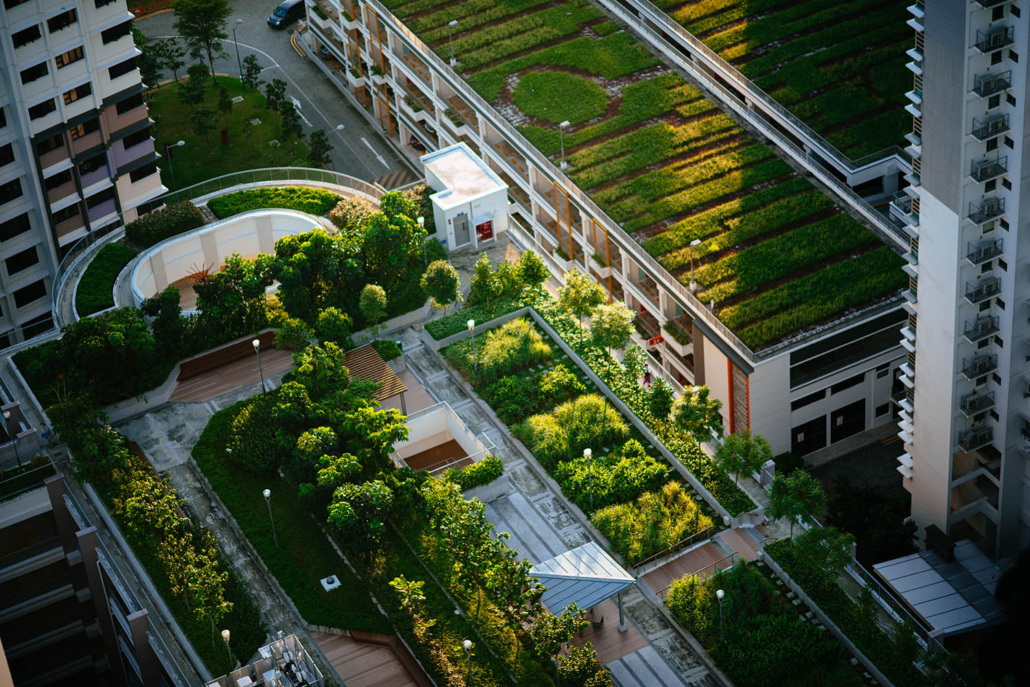
By contrast, the UNDP report highlights opportunities and challenges for catalyzing private sector investment in projects that facilitate and sustain climate-smart cities. According to the report, “climate-smart cities are energy efficient; reduce reliance on nonrenewable energy sources; actively encourage waste reduction; and promote the circular economy, resilient low-carbon infrastructure, low-carbon transport, water management, green spaces, and nature-based solutions” (p. 12). The climate-smart city focuses on development that upholds the UN Sustainable Development Goal 11 – “making cities more resilient, sustainable, inclusive and safe.” However, it is disappointing that the UNDP report does not also consider how private investments in Indigenous innovation and a promotion of Indigenous procurement practices could also bolster projects for climate-smart cities and regions.

Both the IPCC and UNDP reports provide insights into how cities play an integral role in developing solutions for climate change adaptation. Cities are located on Indigenous lands and in Canada, approximately “45% of Registered Indians, 76% of Non-Status Indians, 50% of Inuit, and 70% of Métis live in urban areas,” as reported in the 2020 Report to Parliament delivered by the Minister of Indigenous Services and based on the 2016 Census. Consequently, any investment in climate change adaptation solutions for the climate-smart city must include Indigenous-led solutions.


By Leela Viswanathan


(Image Credit: Chuttersnap, Unsplash)
September 15, 2021/by IndigenousClimateHub
Tags: 2021 IPCC Report, Combatting Climate Change, Indigenous-led Solutions, IPCC, UN Sustainable Development Goal 11, UNDP Report
Share this entry
  • Share on Facebook
  • Share on X
  • Share on WhatsApp
  • Share on Pinterest
  • Share on LinkedIn
  • Share on Tumblr
  • Share on Reddit
  • Share by Mail
https://indigenousclimatehub.ca/wp-content/uploads/2021/09/chuttersnap-unsplash.jpg 1001 1500 IndigenousClimateHub https://indigenousclimatehub.ca/wp-content/uploads/2020/10/logo-horiz-clr-01-small-300x88.png IndigenousClimateHub2021-09-15 13:19:102021-09-15 13:27:12Cities, Indigenous Knowledge, and Climate Change: Notes from the IPCC Sixth Assessment Report and UNDP Report on Climate-Smart Cities
You might also like
Prioritizing COVID-19 recovery and climate recovery plans by Indigenous peoples
Urban Indigenous-Led Climate Adaptation Pathways
Radoslav Bali, Unsplash Indigenous Local Knowledge (ILK): Vital to climate change adaptation and globally under threat
Adaptive Capacity and Adaptation of Indigenous Peoples to Environmental Change
X Logo X Logo Followon X RSS Feed Logo RSS Feed Logo Subscribeto RSS Feed

Subscribe to Our Blog

This field is required.

Check your inbox or spam folder to confirm your subscription.

Recent Posts

  • Water Is a Relative, Not a Resource
  • The River Is Telling Us Something: Indigenous-Led Water Monitoring as Canada’s Climate Early Warning System
  • Night Skies and Shifting Stars: How Indigenous Celestial Knowledge Tracks a Changing Climate
  • From Ownership to Relationship: Reclaiming Our Responsibilities to Land
  • Human Foolishness in Floodplains

Archives

  • June 2026
  • May 2026
  • April 2026
  • March 2026
  • February 2026
  • January 2026
  • December 2025
  • November 2025
  • October 2025
  • September 2025
  • August 2025
  • July 2025
  • June 2025
  • May 2025
  • April 2025
  • March 2025
  • February 2025
  • January 2025
  • December 2024
  • November 2024
  • October 2024
  • September 2024
  • August 2024
  • July 2024
  • June 2024
  • May 2024
  • April 2024
  • March 2024
  • February 2024
  • January 2024
  • December 2023
  • November 2023
  • October 2023
  • September 2023
  • August 2023
  • July 2023
  • June 2023
  • May 2023
  • April 2023
  • March 2023
  • February 2023
  • January 2023
  • December 2022
  • November 2022
  • October 2022
  • September 2022
  • August 2022
  • July 2022
  • June 2022
  • May 2022
  • April 2022
  • March 2022
  • February 2022
  • January 2022
  • December 2021
  • November 2021
  • October 2021
  • September 2021
  • August 2021
  • July 2021
  • June 2021
  • May 2021
  • April 2021
  • March 2021
  • February 2021
  • January 2021
  • December 2020
  • November 2020
  • October 2020
  • September 2020
  • August 2020
  • July 2020
  • June 2020
  • February 2020
  • October 2019
  • August 2019
  • July 2019
  • June 2019
  • May 2019
  • April 2019
  • March 2019

Categories

  • Adaptation
  • Alberta
  • Announcements
  • Arctic
  • Atlantic/NB
  • Awards
  • Blog
  • British Columbia
  • Climate Change
  • Climate Change Adaptation
  • Climate Change Education
  • Climate Change News
  • Climate Change Project
  • Climate Crisis
  • Climate Monitoring
  • Community Engagement
  • Community-Based Environmental Monitoring
  • Documentaries
  • Documentary
  • Events
  • Flooding
  • Food
  • Food Security
  • Food Sovereignty
  • Forest Fires
  • Funding Opportunity
  • ICCAG 2019
  • Indigenous Perspectives
  • Manitoba
  • Media
  • Métis
  • Métis Settlement
  • News
  • Op-Ed
  • Quebec
  • Saskatchewan
  • Technology
  • Video
  • Water
  • Webinars

Tags

Alberta Arctic Arctic Resilience Forum British Columbia Carbon Sequestration Caribou Caribou Recovery CIRNAC Climate Adaptation Climate Change Climate Change Adaptation Climate Resilience Community Engagement Education Environmental Stewardship Environment and Climate Change Canada (ECCC) First Nations Flooding Food Security Food Sovereignty Global Warming Indigenous Indigenous Guardians Toolkit Indigenous Knowledge Indigenous Stewardship Infrastructure Inuit landscape Mental Health Paris Agreement Policy Renewable Energy Research Resilience Science Traditional Ecological Knowledge Traditional Ecological Knowledge (TEK) Traditional Knowledge UNDRIP United Nations United Nations (UN) Webinar Wildfires WWF-Canada Youth
Contact

About Us

The Indigenous Climate Hub is a unique online community of Indigenous climate change leaders that have come together to share their stories and climate change adaptation experiences. The website is the result of the recommendations brought forward by Indigenous peoples at the Indigenous Climate Change Adaptation Gathering in 2018.

Indigenous Climate Hub Podcast

Be a part of the Indigenous Climate Hub Podcast. We are looking for unique perspectives and experiences in environmental stewardship, Indigenous ecological and traditional knowledge, and resource management offer valuable knowledge and teachings that can benefit Indigenous communities across Turtle Island and beyond.

Indigenous-led Initiatives

Are you a program or organization that funds or supports Indigenous Peoples  working on climate change initiatives?  If you would like to provide information to potential recipients here, please reach out to Okwaho so that we can work with you to highlight your program.

© Copyright - Indigenous Climate Hub, 2025-2026
  • Terms of Service
  • Privacy Policy
Link to: Land Reparation is Climate Reparation for Indigenous Peoples Link to: Land Reparation is Climate Reparation for Indigenous Peoples Land Reparation is Climate Reparation for Indigenous Peoples Link to: Prioritizing COVID-19 recovery and climate recovery plans by Indigenous peoples Link to: Prioritizing COVID-19 recovery and climate recovery plans by Indigenous peoples Prioritizing COVID-19 recovery and climate recovery plans by Indigenous peo...
Scroll to top Scroll to top Scroll to top