Integrating Nature in Adapting to a Changing Climate Annual Conference of the New Brunswick Climate Change Adaptation Collaborative, in partnership with the Association of Consulting Engineering Companies Nature-based solutions to […]
Description (from watershedsforum.ca website): *Amid current global challenges, water and watershed security remain imperative and we are convinced that Watersheds 2020: Stepping stones to watershed governance is needed now more than […]
Delta Ottawa City Centre
101 Lyon St. N., Ottawa, Ontario, Canada
**NOTE of Change: This event was originally scheduled June 10-12, 2020 in Ottawa, however it was rescheduled to June 9-11, 2021 due the COVID-19 pandemic. Follow the Canadian Water Summit website for future updates. Event Description: The Canadian Water Summit will be held in conjunction with the Canadian Water and Wastewater Association’s (CWWA) Window on […]
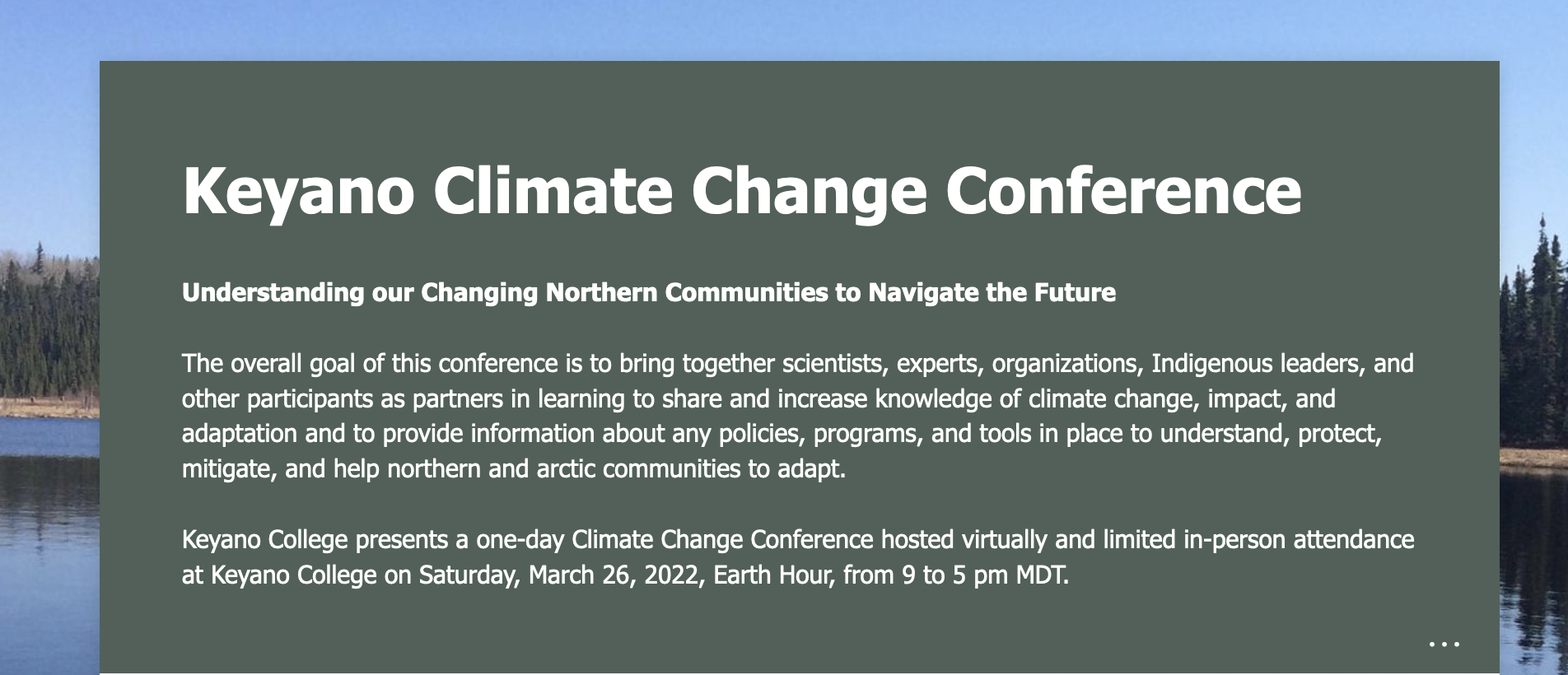
Understanding our Changing Northern Communities to Navigate the Future Keyano College presents a one-day Climate Change Conference hosted virtually and in-person at Keyano College on Saturday, March 26, 2022, Earth Hour, from 9 a.m. to 5 p.m. MDT. What is The Climate Change Conference? The overall goal of this conference is to bring together scientists, […]
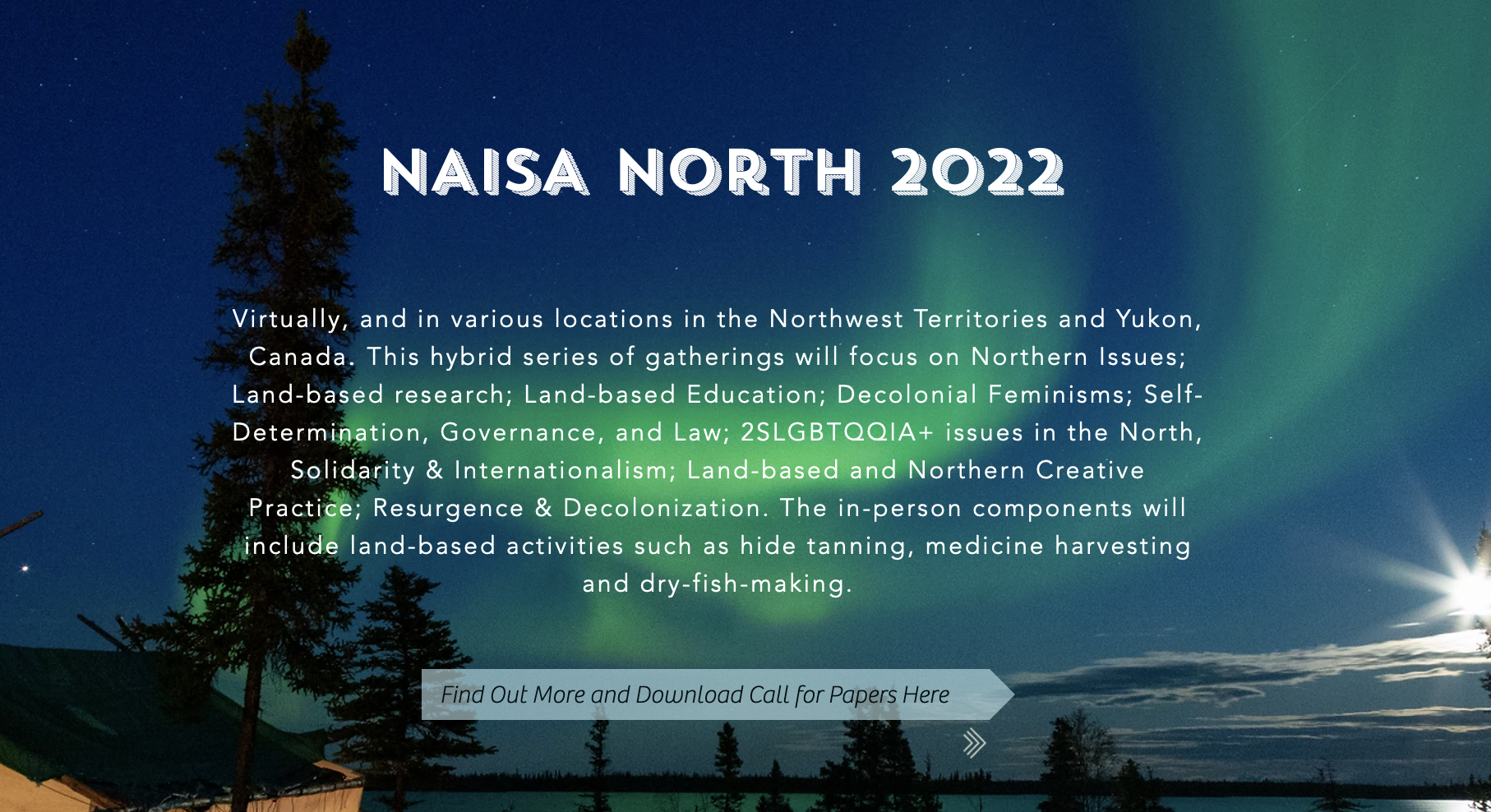
Location: Virtually, and in various locations in the Northwest Territories and Yukon, Canada Dates: Virtual Programming; May 15 to June 15 In-Person Programming - Whitehorse: May 25-27 In-Person Programming - Yellowknife: June 23-25. Other community programs TBC. This hybrid series of gatherings will focus on Northern Issues; Land-based research; Land-based Education; Decolonial Feminisms; Self-Determination, Governance, […]
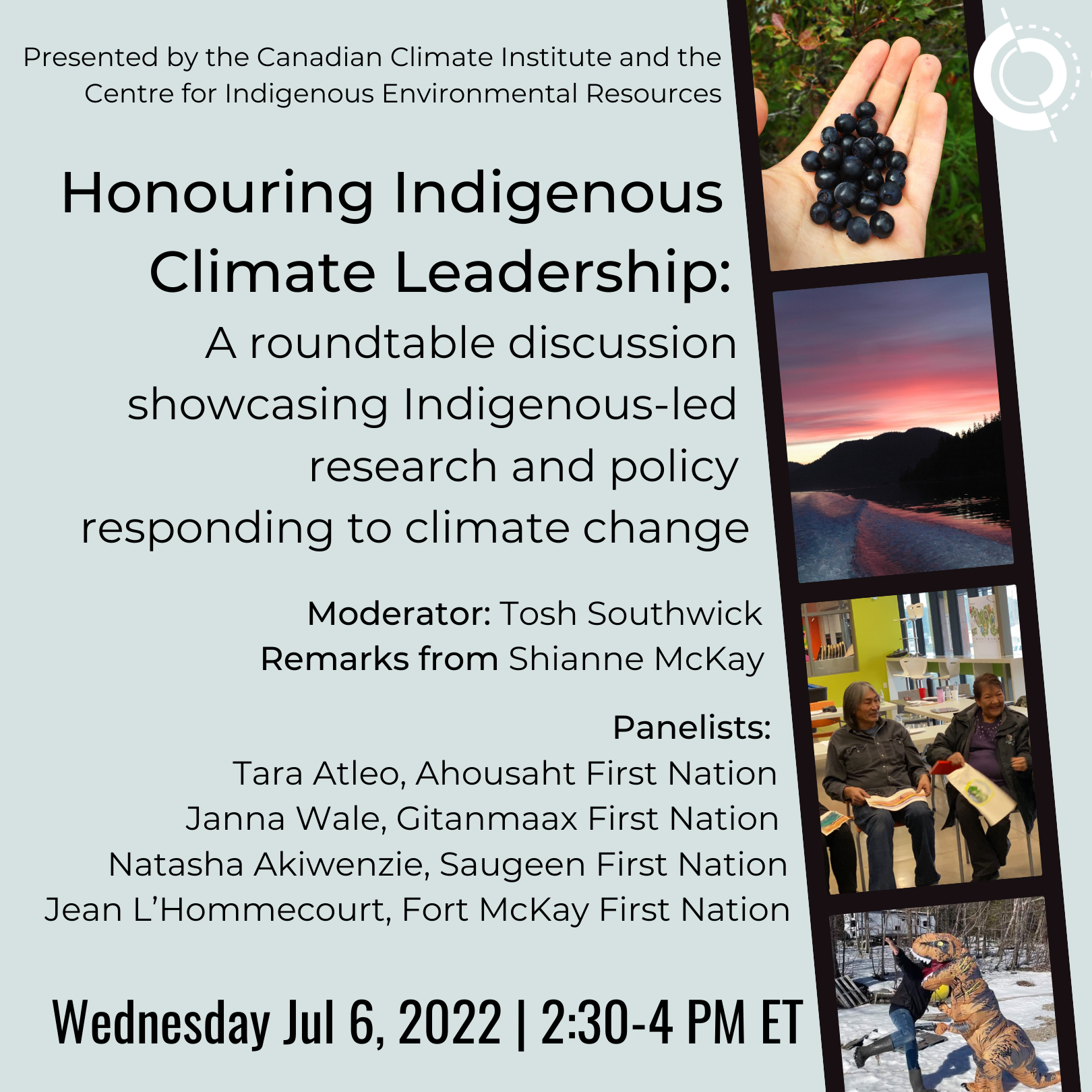
Upcoming Event by the Canadian Climate Institute and the Centre for Indigenous Environmental Resources Event description: Climate change is disproportionately impacting Indigenous people, communities, and territories—and Indigenous researchers and knowledge keepers are leading the development of land-based and culturally rooted responses. To amplify the crucial work of these researchers and knowledge keepers, the Canadian Climate […]
Radium Hot Springs Centre
4863 Stanley St., Radium Hot Springs, British Columbia, Canada
Description: Glacier ice is nature’s savings account for water; but with disappearing glaciers, in conjunction with a warmer future, its availability will fundamentally change. Learn more about the state of water in the Columbia Basin in this presentation about the Columbia Basin Water Monitoring Framework, an innovative program that supports Indigenous and non-Indigenous communities and […]
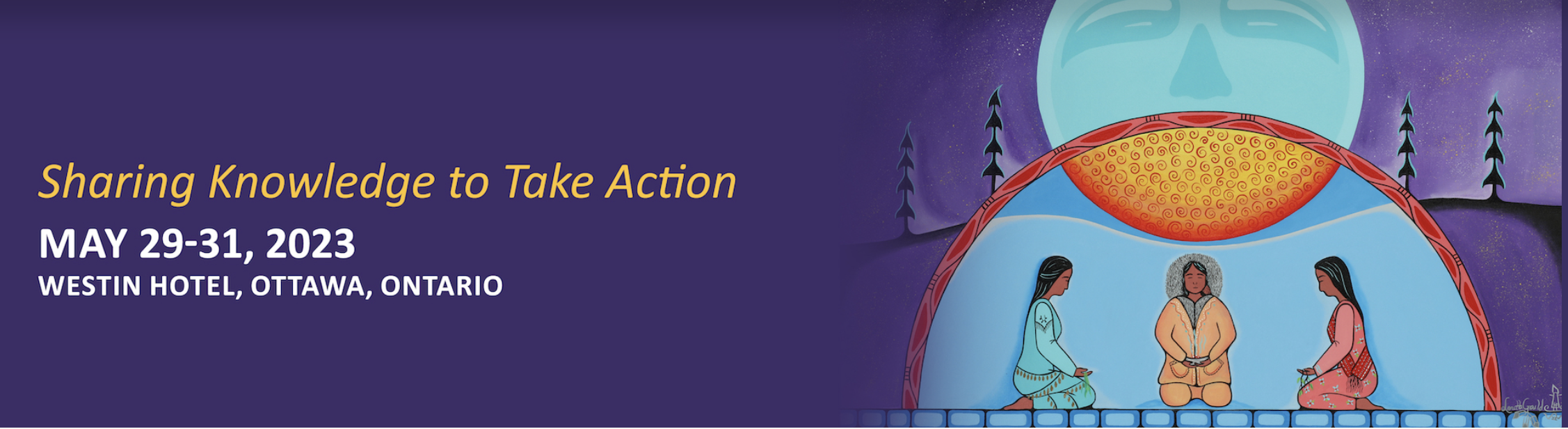
The 2023 conference theme is Sharing Knowledge to Take Action and will be held May 29 to 31, 2023 at the Westin Hotel in Ottawa, Ontario. The Westin Hotel is located at 11 Colonel By Dr, Ottawa, ON K1N 9H4 and the telephone number is 613-560-7000. Speakers Speakers from coast to coast will share their knowledge on […]
Concordia University
Pavillon J.‐W.‐McConnell 1400 De Maisonneuve Blvd. W., Montreal, QC, Canada
Speaker: Cole Teionieh’táthe Delisle works as an Environmental Projects Coordinator for Terrestrial Habitats with a wide range of projects. He coordinates KEPO's seed saving activities, EAB project, species at risk, bird program, and drone work. A graduate from Concordia University’s Anthropology program, he is interested in archeology and the community’s history. Outside of terrestrial work, he also leads Kahnawà:ke's participation in Transport Canada's Enhanced Maritime Situational Awareness Program monitoring the impacts of industrial shipping.
Audience: Concordia community and external
This event has been generously funded by the Chamandy Foundation.
Concordia University
Pavillon J.‐W.‐McConnell 1400 De Maisonneuve Blvd. W., Montreal, QC, Canada
Mitigating the Impacts of Climate Change is a series separate workshops featuring speakers who share their insights on Indigenous environmental leadership, community action, and land-based learning.
Join us as Anishnabe Knowledge Keeper Shannon Chief/Waba Mako discusses various contributions to the decolonization and restoration of her people’s sovereignty, including the defense and protection of land, waters, and language and the community-driven Anishnabe Moose Studies project.
Speaker
Shannon Chief/Waba Mako is Wolf Clan from the Anishnabe-Algonquin Nation. She contributes at various levels to the decolonization and the restoration of her people’s sovereignty. The defense and protection of land, waters and language is a priority for the Anishnabeg. Waba is a Knowledge Keeper who prioritizes knowledge & language sharing to Anishnabe communities. Waba is the former AMC coordinator for the Anishnabe Moose Studies which has always been community-driven project from 2022 to 2025. Today, Waba is the Interium Managing Director for Tinakiwin, a newly non profit organization established to continue on the advocacy work within the Algonquin Territory.
Concordia University
Pavillon J.‐W.‐McConnell 1400 De Maisonneuve Blvd. W., Montreal, QC, Canada
Mitigating the Impacts of Climate Change is a series separate workshops featuring speakers who share their insights on Indigenous environmental leadership, community action, and land-based learning.
In the face of global climate change, Mohawk educator and pedagogical consultant Kanerahtiio Hemlock asks, “How do small communities respond and adapt?” Acknowledging that there is no one right answer, Kanerahtiio explains that for traditional Native people, the path is clear: “We have to return to our own ways.” In this workshop, Kanerahtiio speaks to what he has learned while developing a class on Indigenous self-sustainability, and how exploring the ways his people taught their children in the past—and what that teaching might look like today—has guided this educational work.
Speaker
Kanerahtiio Hemlock, a Mohawk from Kahnawake, has taught native history for the past thirteen years at the First Nations Regional Adult Education Center. During that time, he had developed a course on Indigenous self-sustainability that won the 2018 Ken Spencer national award for innovation in teaching. Since 2023 he has also worked part time at Dawson College as the Indigenous Pedagogical Consultant.